
What the Timeline Actually Looks Like When You Design a Home
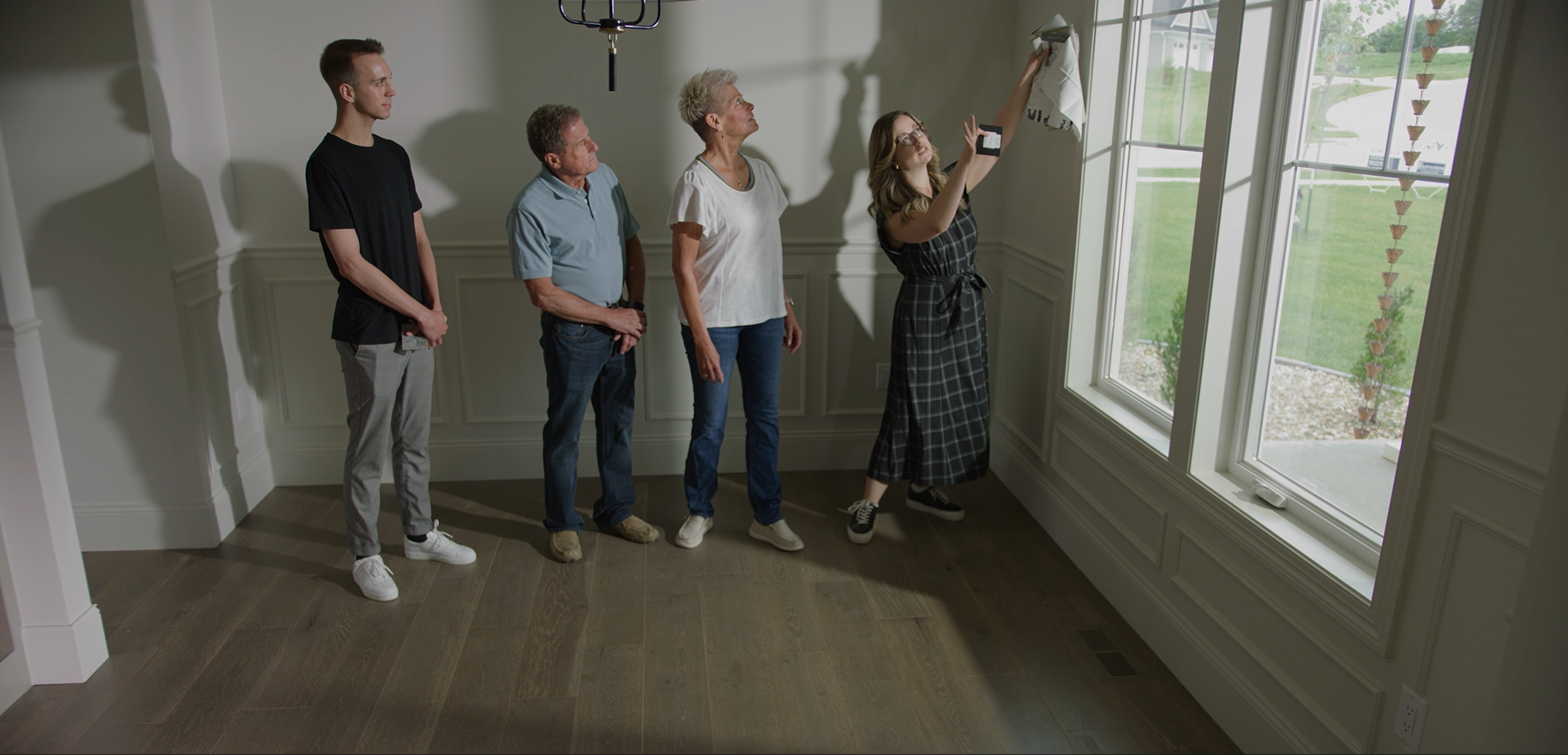
Building or remodeling a home is exciting, but one of the biggest unknowns for most homeowners is timing.
- When do design decisions happen?
- How early should you be involved?
- What happens during construction?
At Dwell Home Furnishings & Interior Design, we approach projects with a clear, structured timeline so you always know what’s happening next and why it matters. When clients understand the flow of a project, everything feels easier and you’re not guessing what comes next or wondering if you’re behind.
Here’s what an interior design timeline actually feels like as your project unfolds.
Phase 1: Discovery & Direction (Early Planning Stage)
When it happens: Before or just as architectural plans are finalized
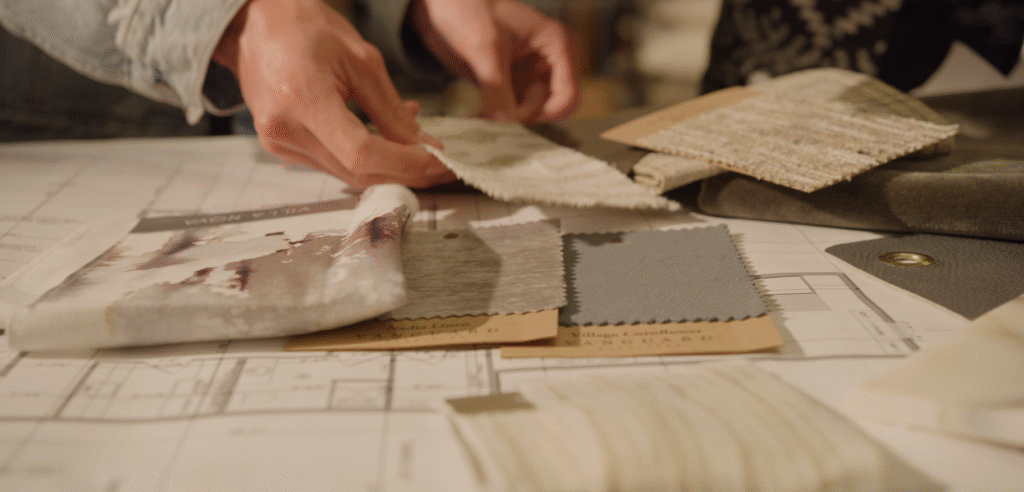
This early phase is where we get to know you. Not just what styles you like, but how you live day to day. What works. What doesn’t. What you want your home to feel like when it’s finished.
We’re also reviewing architectural plans and making design-focused recommendations. Sometimes that means small adjustments. Sometimes it’s rethinking how a space flows altogether.
This part doesn’t feel rushed, and that’s intentional. It’s where the foundation gets set, and everything after it becomes easier because of it.
During this phase, your designer:
- Reviews architectural plans with a design lens
- Defines your overall aesthetic direction
- Aligns layout and space planning with your lifestyle
This step sets the foundation for every decision that follows. Skipping or rushing it often leads to costly changes later.
Phase 2: Design Development & Selections (Pre-Construction)
When it happens: Before construction begins or early in the build
Once the direction is clear, the project naturally moves into selections. It’s not just picking things you like. It’s making sure everything works together so spaces feel cohesive instead of pieced together.
This phase includes selecting all the materials and finishes required for construction, such as:
- Flooring, cabinetry, and countertops
- Tile, plumbing fixtures, and lighting
- Hardware, paint colors, and coordinated finishes
Some clients are surprised by how many decisions happen here. That’s normal. What helps is having a clear vision already in place. Instead of starting from scratch every time, you’re making choices that support a bigger picture.
This phase can move quickly, or it can take time, depending on the project. Either way, it’s one of the most important parts of the timeline because these decisions directly impact construction.
Phase 3: Documentation & Builder Coordination (Pre-Build to Early Build)
When it happens: Right before and during the early stages of construction
While selections are happening, there’s another layer most people don’t see: Documentation.
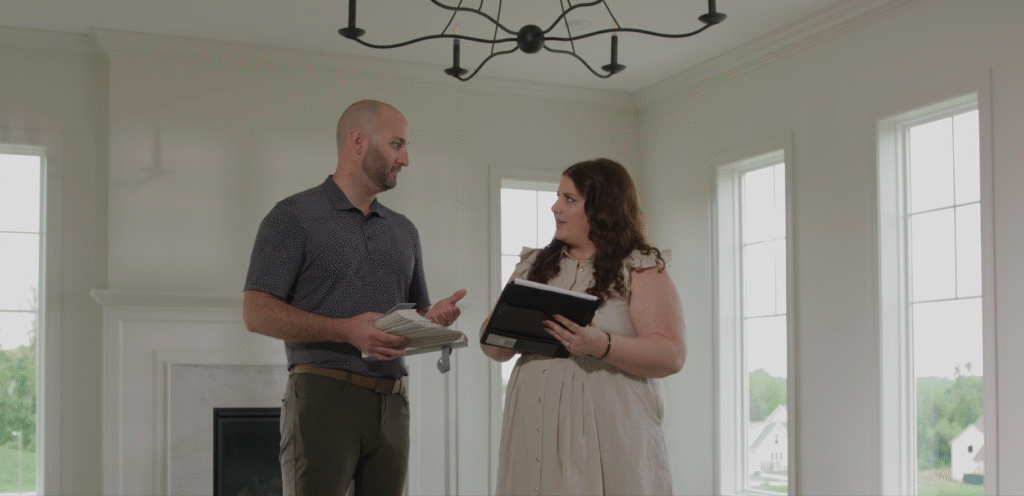
Every finish, material, and detail gets organized into clear schedules and drawings. These are what your builder and trades rely on to actually execute the design. Without this step, things get missed, interpreted differently, or installed incorrectly.
We also stay in close communication with your builder during this time to make sure everything lines up before construction moves too far forward.
Your designer prepares clear, organized documentation that builders and trades rely on, including:
- Finish schedules and specifications
- Design drawings and interior elevations
- Clarifications to ensure accurate execution
It’s not the most exciting phase from the outside, but it’s one of the reasons projects run smoothly.
Phase 4: Construction Phase Support (Active Build)
When it happens: Throughout the construction process
Once construction is underway, design decisions don’t stop. Questions come up, adjustments are needed, and details need to be confirmed in real time as things take shape.
During this phase, Dwell remains actively involved by:
- Conducting site visits at key milestones
- Providing ongoing design guidance
- Helping navigate decisions as the build progresses
This continued involvement ensures the original vision is carried through, even as real-world conditions come into play. Having a designer involved during this phase helps bridge that gap.
Phase 5: Furnishings, Styling & Final Layer (Post-Construction)
When it happens: Near project completion and after construction
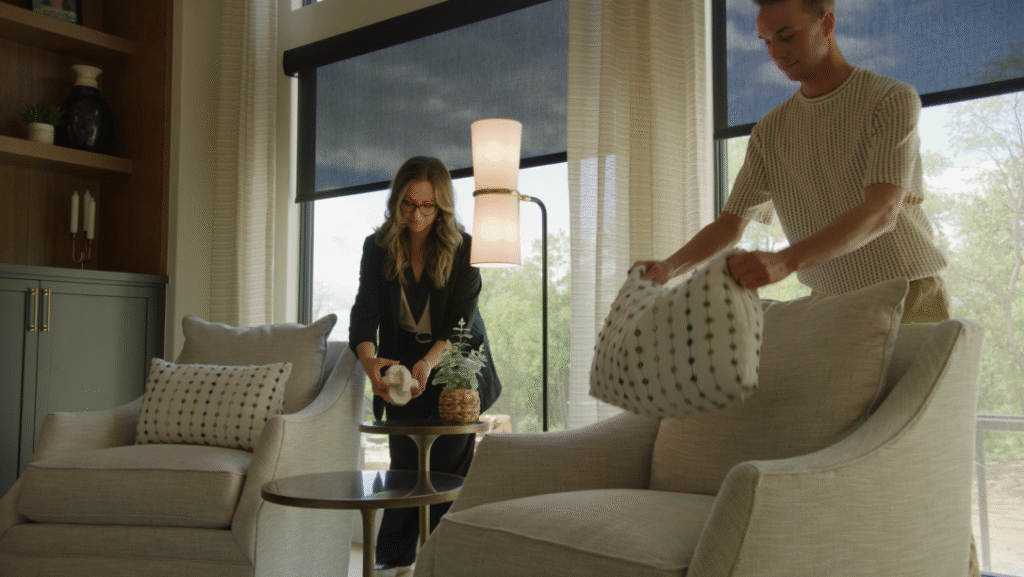
A well-designed home has furnishings in mind from the very beginning. The layout of a room, the scale of furniture, the way people move through a space, all of that ties directly back to decisions made during design development.
Flooring, cabinetry, countertops, lighting, and fixtures aren’t chosen in isolation. They’re selected with furniture, fabrics, and overall balance already in mind. Color palettes connect. Textures complement each other. Everything works together because it was considered together.
Even if you haven’t been thinking about your sofa, dining table, or window treatments until the end, your designer has. Every choice along the way has been made with those final layers in mind.
Because the truth is, making all of these decisions at once would be overwhelming for anyone. That’s where having a design team matters. At Dwell, this is what we do every day. We’re constantly thinking about how each piece connects to the next, so by the time furnishings are installed, it doesn’t feel like a separate step.
How Long Does the Full Project Timeline Take?
Every project is different, but here’s a general expectation:
- Discovery & Direction: 2-4 weeks
- Design Development & Selections: 4-10+ weeks depending on scope
- Documentation & Coordination: overlaps with selections and early build
- Construction Phase: several months to over a year depending on project size
- Furnishings & Styling: final 4-12 weeks
The key takeaway is that design isn’t a single step, and that these phases often overlap. It’s an ongoing process that supports the project from beginning to end. It’s not perfectly linear, and that’s okay.
Why This Timeline Matters
A well-structured design project timeline helps you know what’s coming and having the right support at each stage.
That’s why Dwell’s role goes beyond selecting finishes. When design is involved from the beginning, decisions are made with intention, builders have clear direction, and you spend less time second-guessing everything along the way.
Thinking About Starting a Project?
If you’re planning a new build or remodel and want a clear, guided approach from day one, Dwell is here to help.
Reach out to start the conversation and take the first step toward a well-designed home.


