
Interior Design Trends Dwell Expects to See Everywhere in 2026
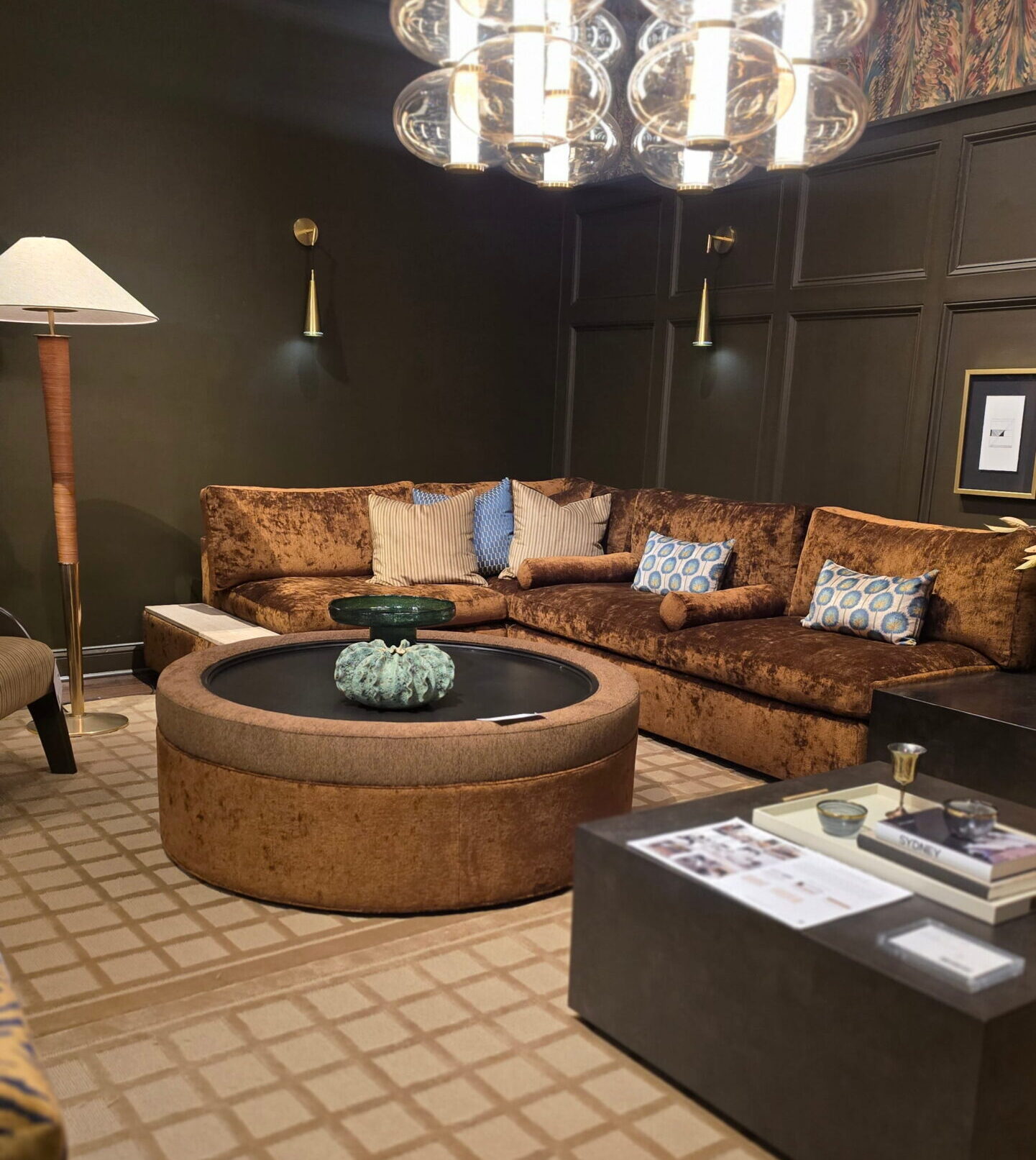
2026 interior design is all about texture, softness, and pieces that feel intentional. Clean lines are still here, but they are being softened, warmed up, and made more livable. Materials matter more. Details matter more. And furniture is doing more than just filling space.
Here are the key furniture and interior design trends Dwell Home Furnishings & Interior Design expects to shape homes in 2026.
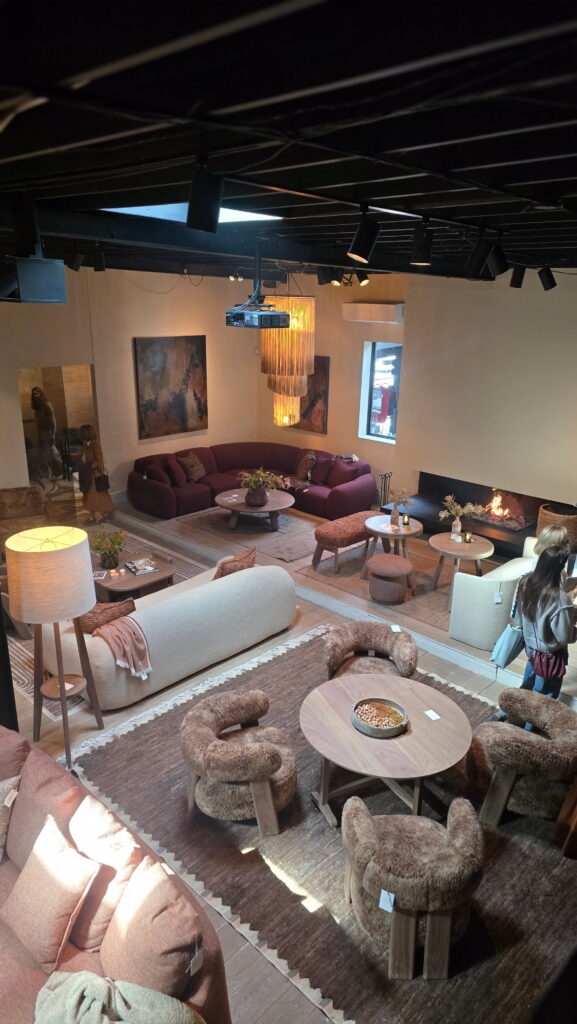
Eyelash Bouclé Is the Next Evolution of Texture
Bouclé isn’t going anywhere, but it is evolving.
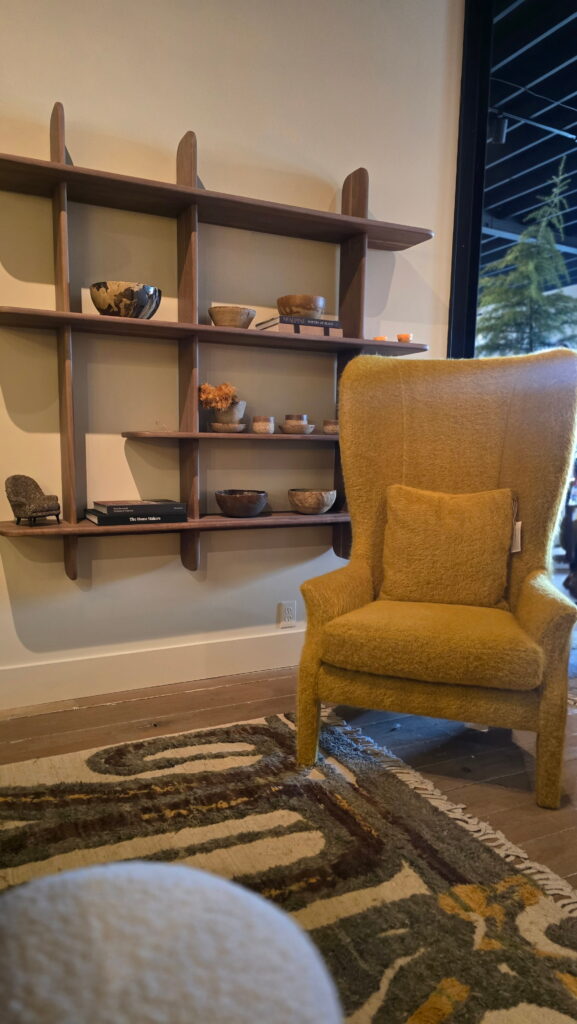
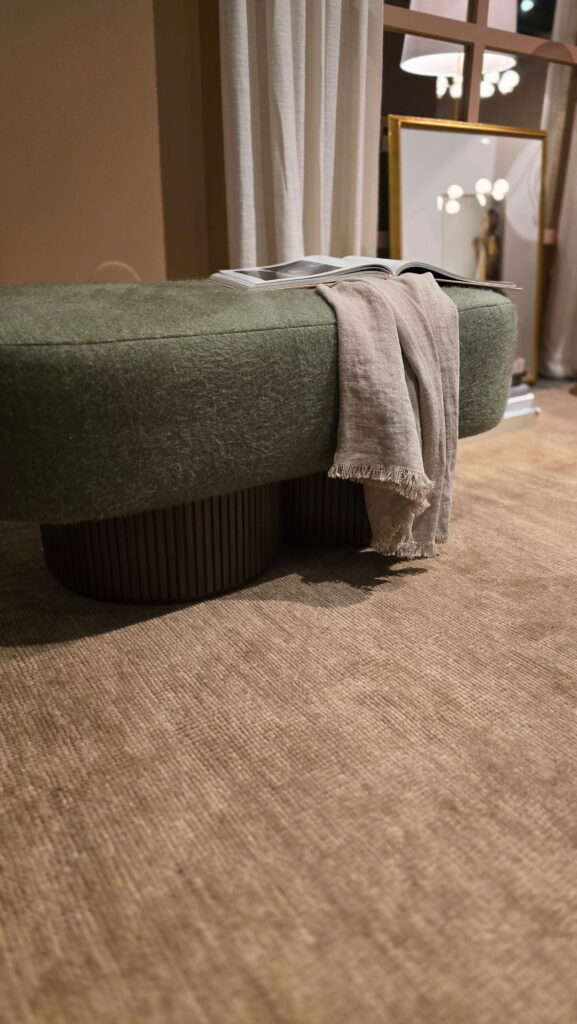
Eyelash bouclé combines the looped structure of classic bouclé with fine, fuzzy eyelash yarns. The result is a richly textured fabric with depth, softness, and visual movement. It has a mohair-like feel with a slightly “fuzzy” look that feels cozy without being messy.
What really stood out at market is how practical it is. You get the same texture interest as bouclé, but with less snagging and a more forgiving surface. That makes it ideal for sofas, accent chairs, and upholstered beds where comfort and durability both matter.
Expect to see eyelash bouclé used in neutral palettes where texture does the heavy lifting instead of pattern.
Leather Skirting Brings a Modern Take on a Classic Detail
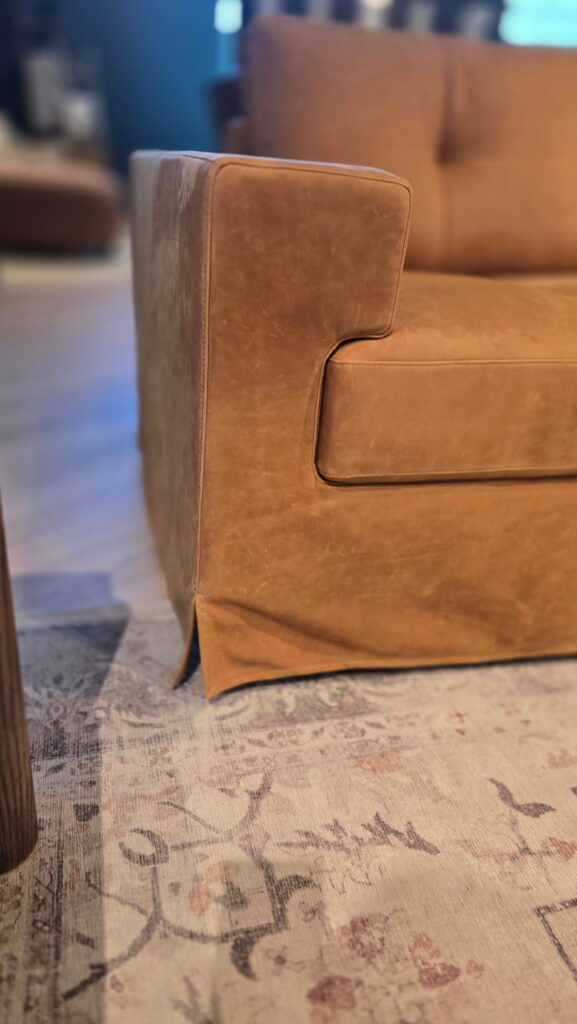
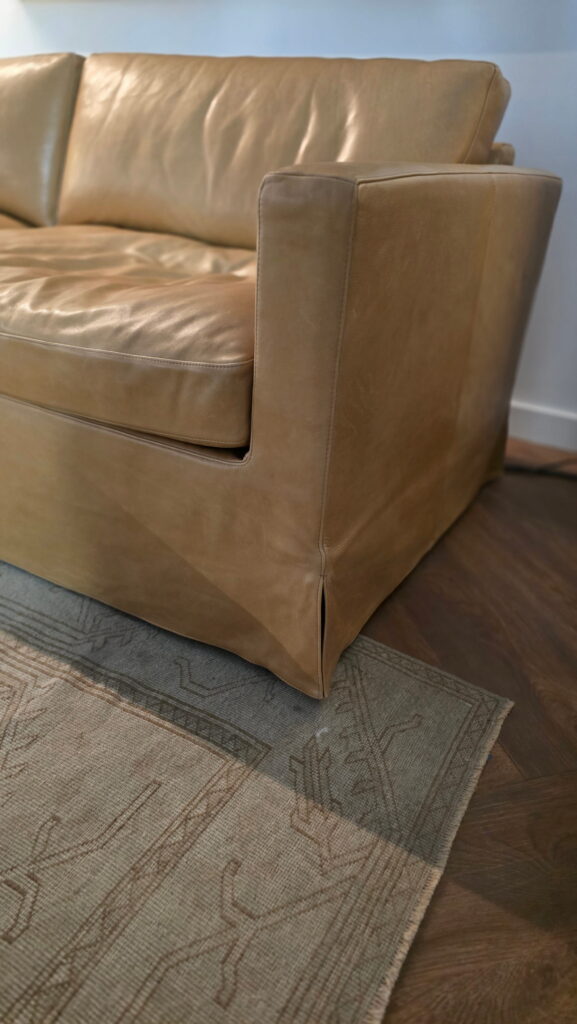
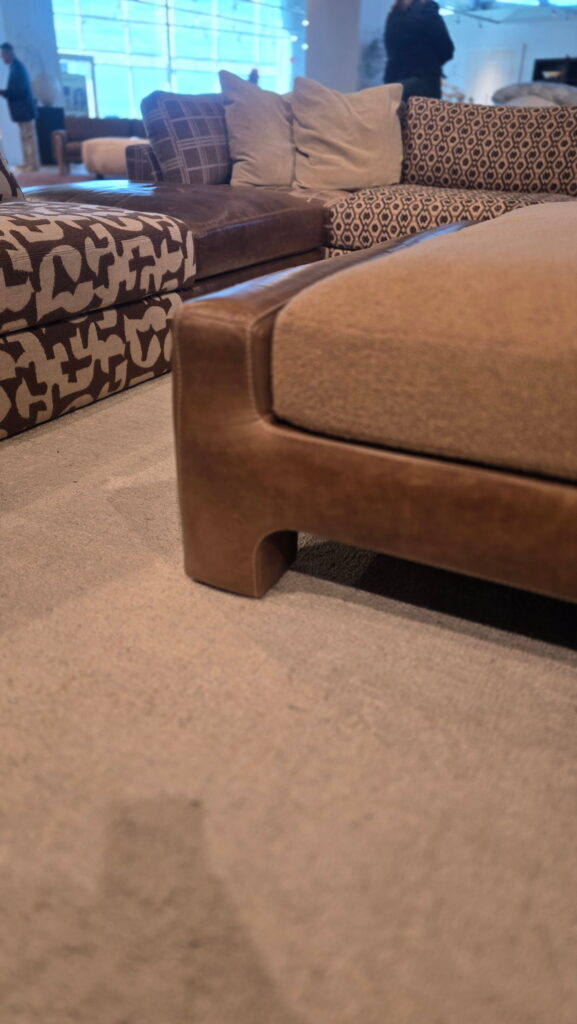
Leather skirting was everywhere, and for good reason.
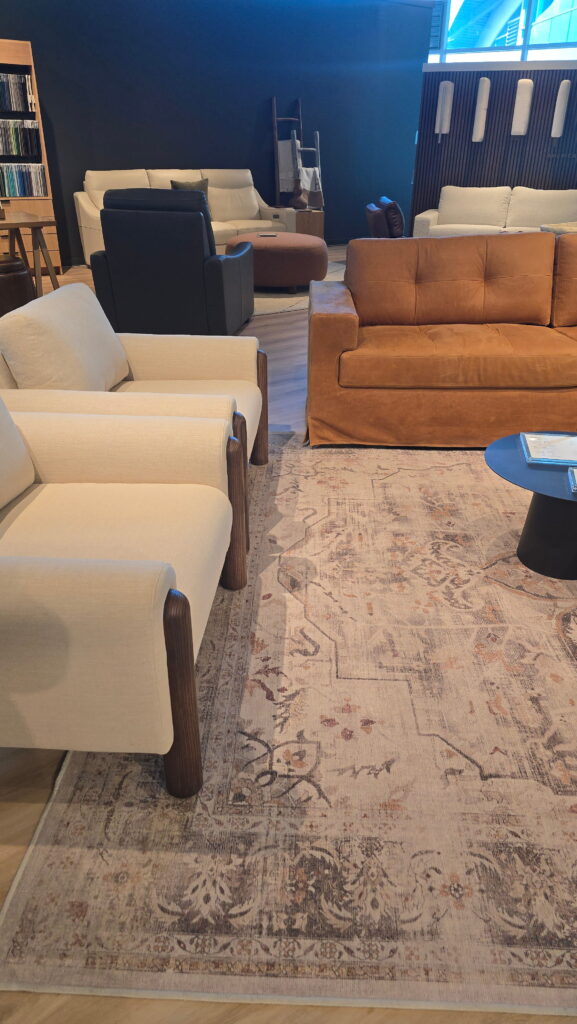
This detail wraps the base of a furniture piece in a decorative band of leather, covering legs or undersides for a seamless, refined look. Think sofas, chairs, and bed frames that feel grounded and polished without feeling bulky.
Leather adds warmth and depth while giving modern furniture a nod to more traditional craftsmanship of the skirt. It elevates minimalist silhouettes and adds a subtle sense of luxury without being flashy.
In 2026, leather skirting will be a go-to detail for designers looking to add richness and structure to clean-lined spaces.
Contrast Welt Is Back and Bolder Than Ever
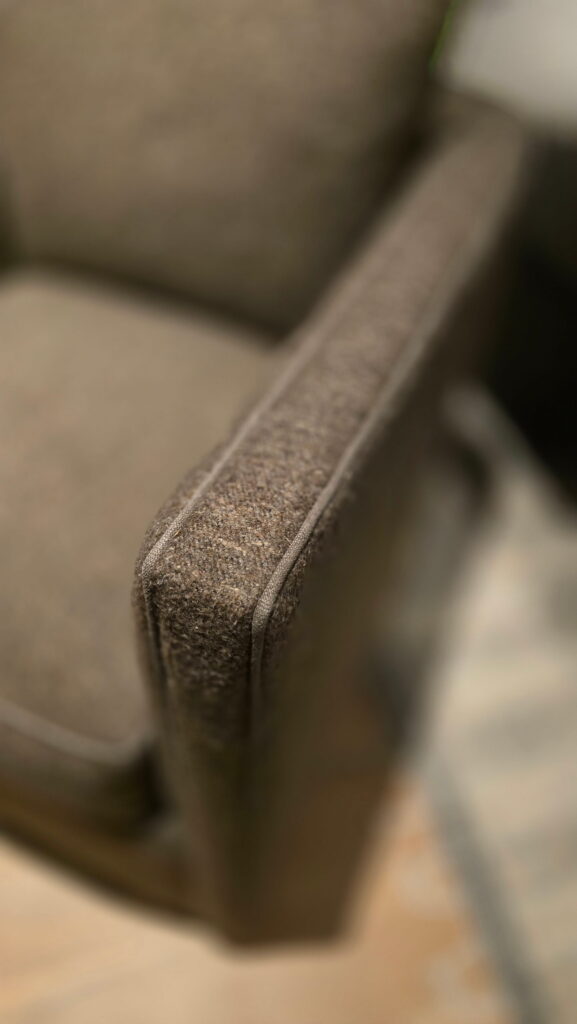
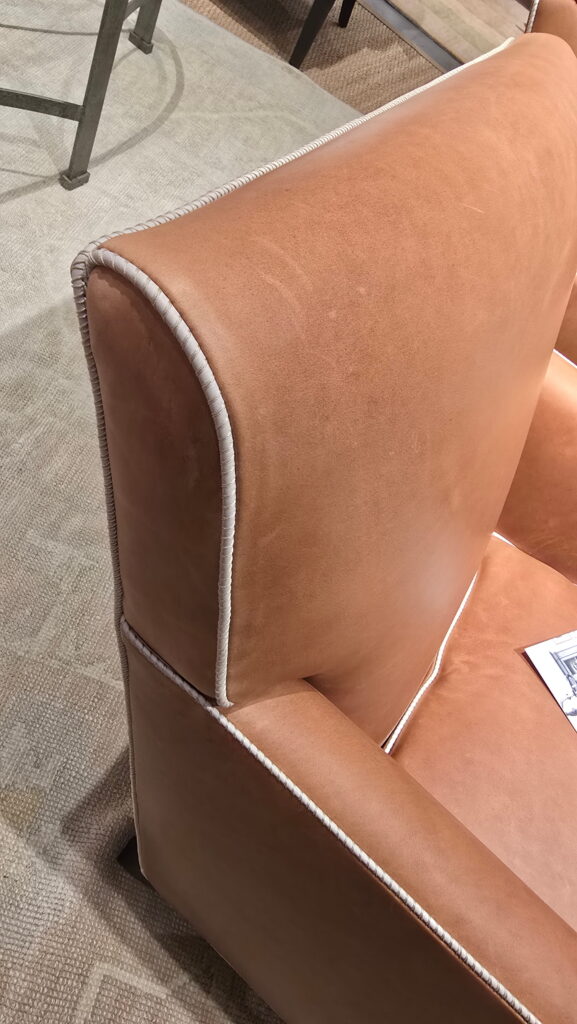
Contrast welt, also known as piping, is making a strong comeback.
A welt is the cord sewn into upholstery seams to define edges. When that cord contrasts in color or material, it becomes a design feature rather than just a finish detail. It sharpens silhouettes, highlights craftsmanship, and gives furniture a tailored feel.
What’s new is the scale and creativity. Larger piping, or smaller mini piping, unexpected colors, leather or satin welts, and even sculptural shapes like scallops and waves showed up across upholstery collections.
Contrast welt is an easy way to elevate a piece without changing its overall form. It works just as well for subtle outlining as it does for bold, statement-making furniture.
Clipped Corner Shapes Soften Modern Design
Perfect rectangles are losing their edge, literally.
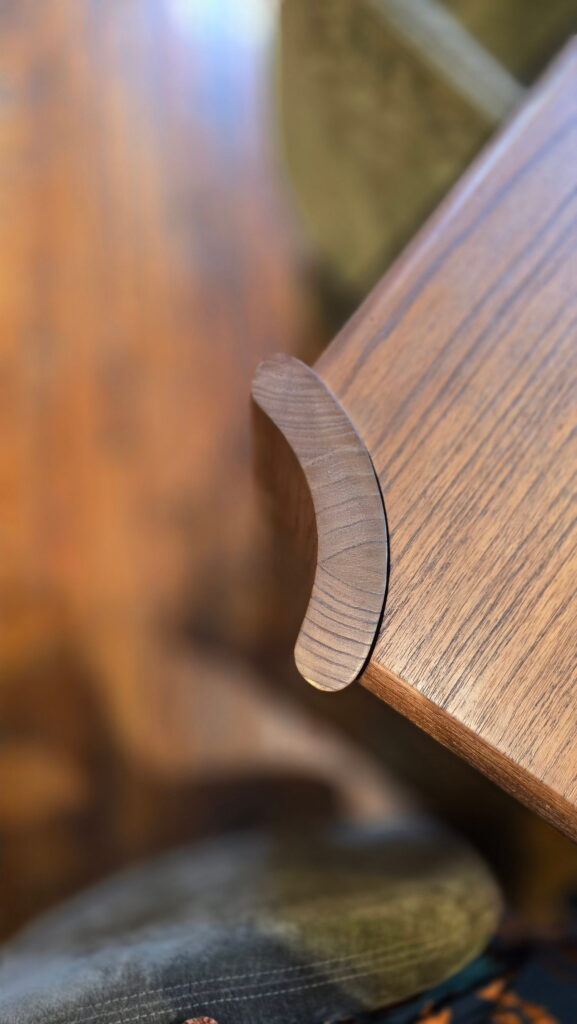
Clipped corners, angled cuts, and inverse curved corner shapes are replacing harsh right angles. This small adjustment transforms basic silhouettes into something architectural and custom.
The look nods to 1920s and 1930s design while fitting neatly into today’s “soft modern” movement. Clean lines remain, but with thoughtful details that add personality and warmth.
Clipped corners work especially well in coffee tables, case goods, and upholstered pieces where designers want structure without stiffness.
Bow Top and Rounded Track Arms Feel Approachable
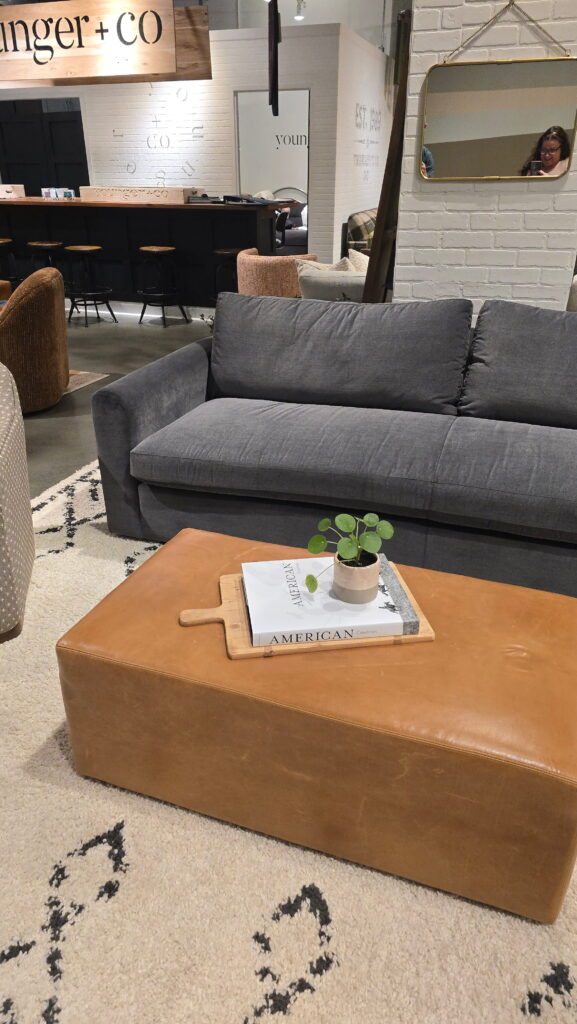
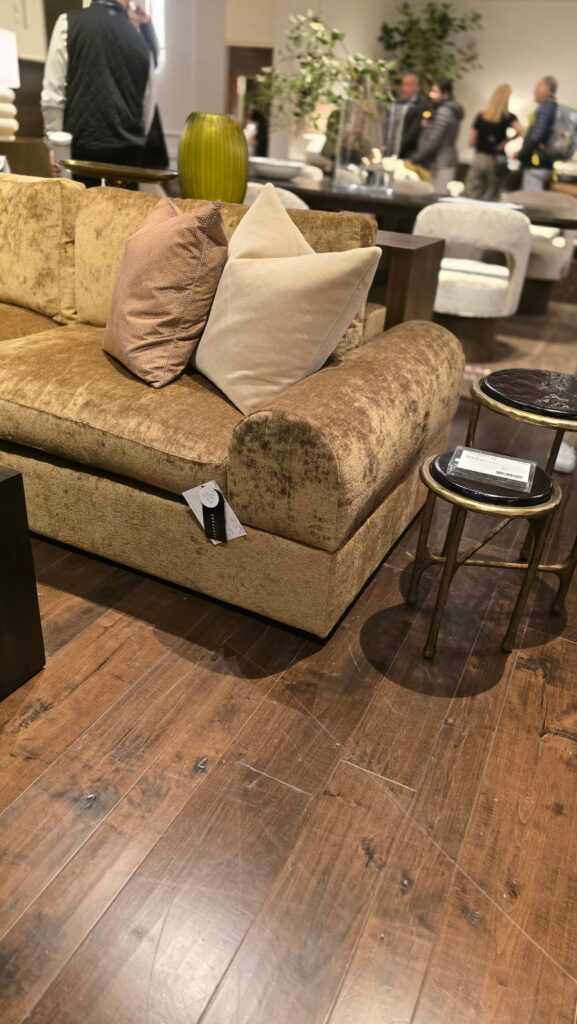
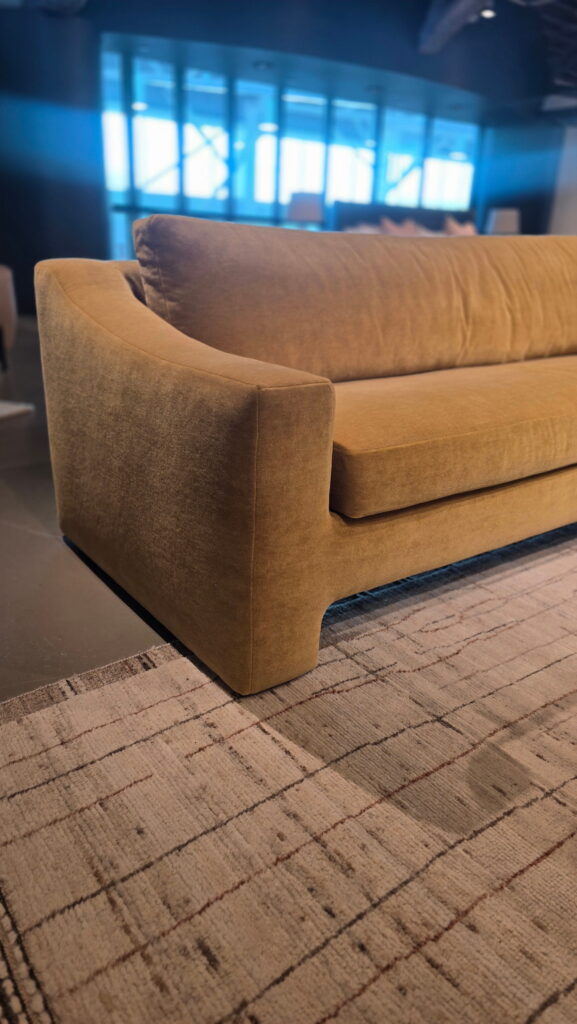
This arm style goes by a few names, bow top, sock arm, rounded track arm, but the idea is the same.
A gentle arch across the top of the arm softens the profile of a sofa or chair without feeling traditional. It lands right in the sweet spot between ultra-modern squared arms and uber-traditional rolled arms.
Consumers want furniture that feels relaxed but still tailored. These arms nod to classic forms while feeling clean and casual enough for modern and transitional homes.
Expect to see this silhouette continue to grow, especially in eclectic and soft modern interiors.
Rosewood Tones Add Warmth and Nostalgia
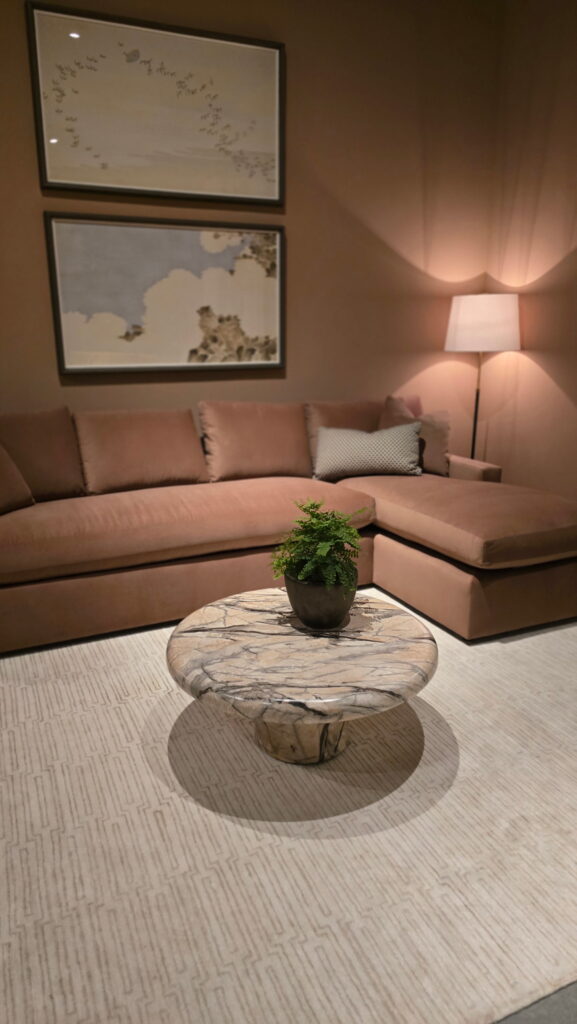
Color trends are moving deeper and richer, and the color rosewood is leading the way.
This warm, earthy tone aligns with the broader shift toward natural materials and emotionally grounded interiors. It evokes mid-century modern and vintage design while still feeling current when paired with contemporary forms.
Rosewood works beautifully in wood finishes, painted furniture, and textiles. It pairs naturally with creams, warm whites, deep browns, and other earthy hues like terracotta and berry tones.
In 2026, rosewood will be a key color for creating layered, cozy spaces that still feel sophisticated.
Standalone Chaise Lounges Are Having a Moment
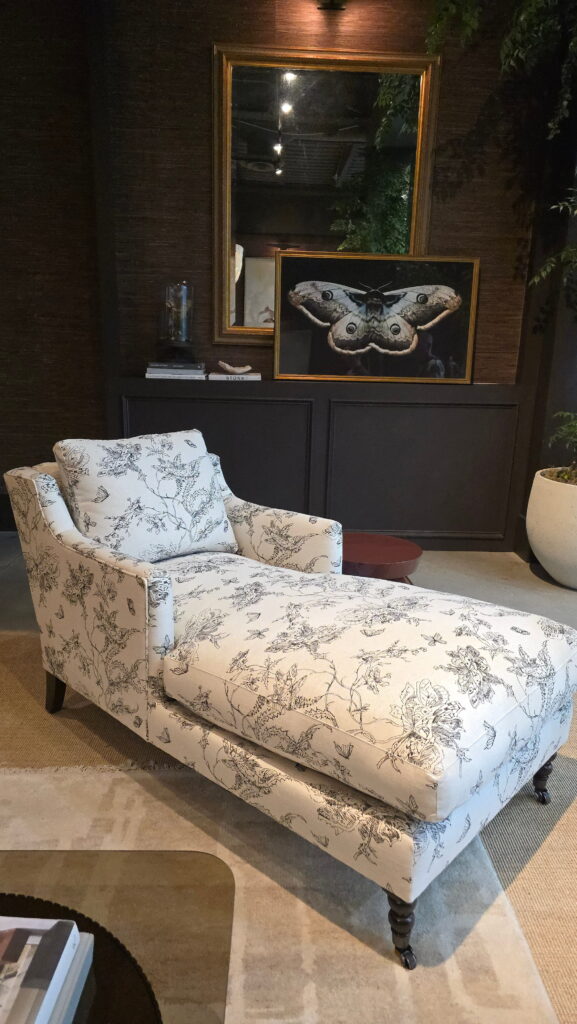
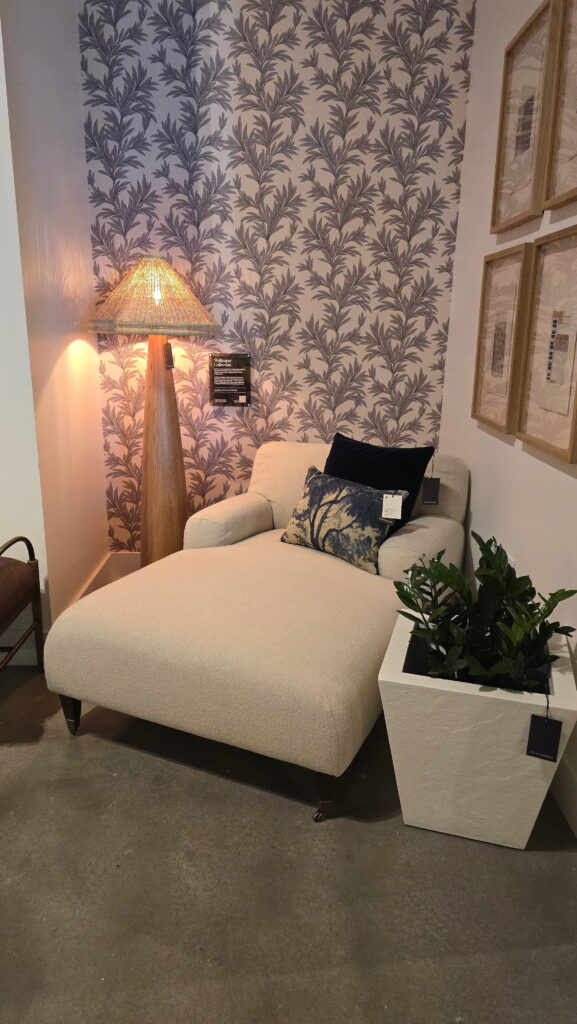
Furniture layouts are becoming more flexible, and the standalone chaise lounge is a big part of that shift.
Instead of relying solely on sectionals or full sofa sets, designers are using chaises as floating pieces. They can define zones in open-plan spaces, create reading nooks, or act as a focal point in bedrooms and living rooms.
This trend ties closely to wellness-driven design and slow living. A chaise invites relaxation and encourages people to linger. Soft, rounded shapes and plush upholstery only reinforce that feeling.
In smaller spaces, a chaise often feels lighter and more intentional than a bulky sectional.
High-Sheen Velvet Brings Modern Luxury
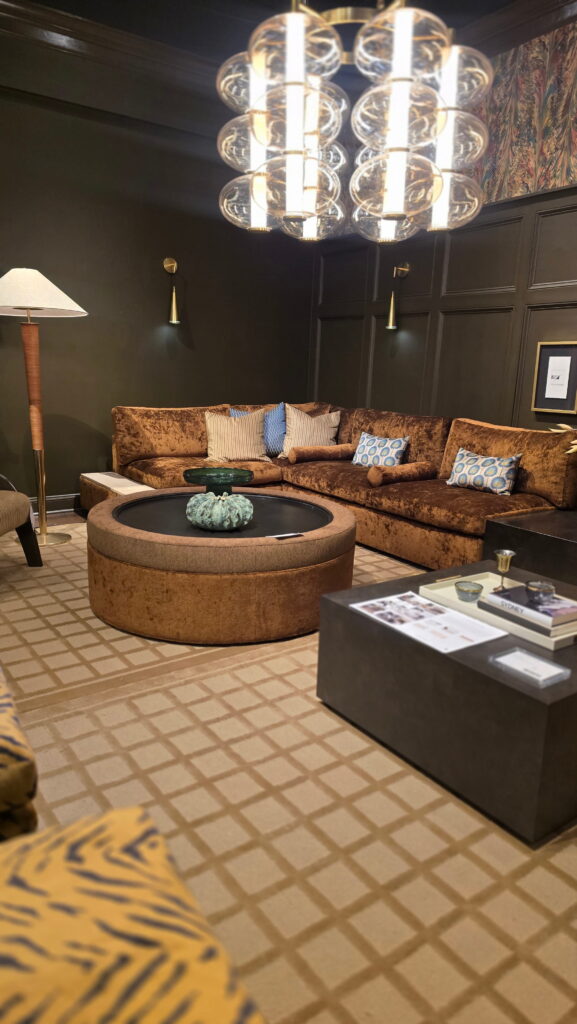
Velvet is back in a big way, but with a twist.
High-sheen velvet reflects light, creating depth and movement across surfaces. Advances in silk blends and performance synthetics have made these velvets more durable while maintaining that lustrous finish.
Designers are pairing glossy velvet with matte textures like bouclé, wood, and stone to create contrast and balance. The result feels luxurious without tipping into old-fashioned territory.
This fits perfectly with the ongoing shift toward quiet luxury, where materials feel indulgent but never overdone.
Upholstery to the Floor Feels Grounded and Architectural
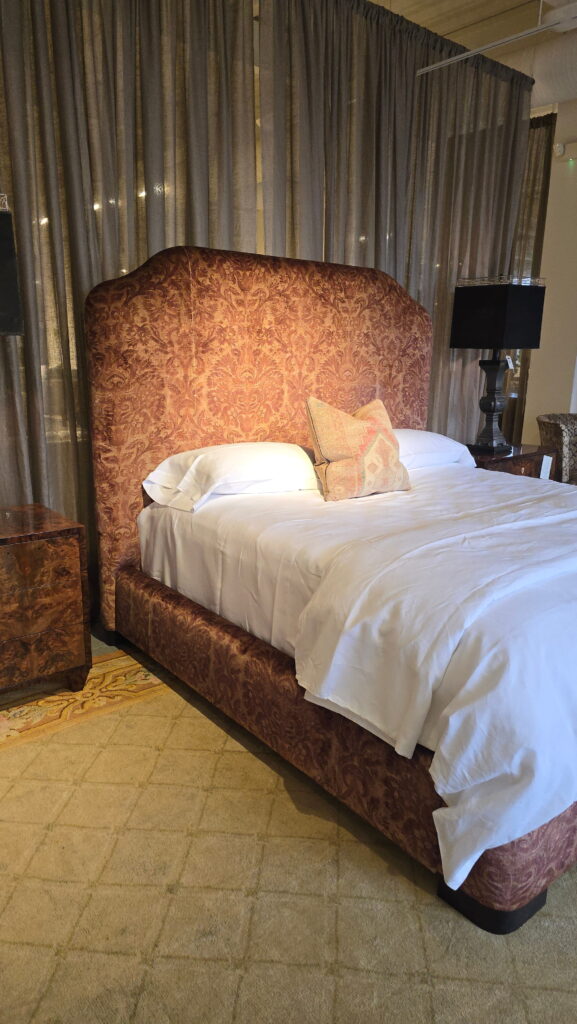
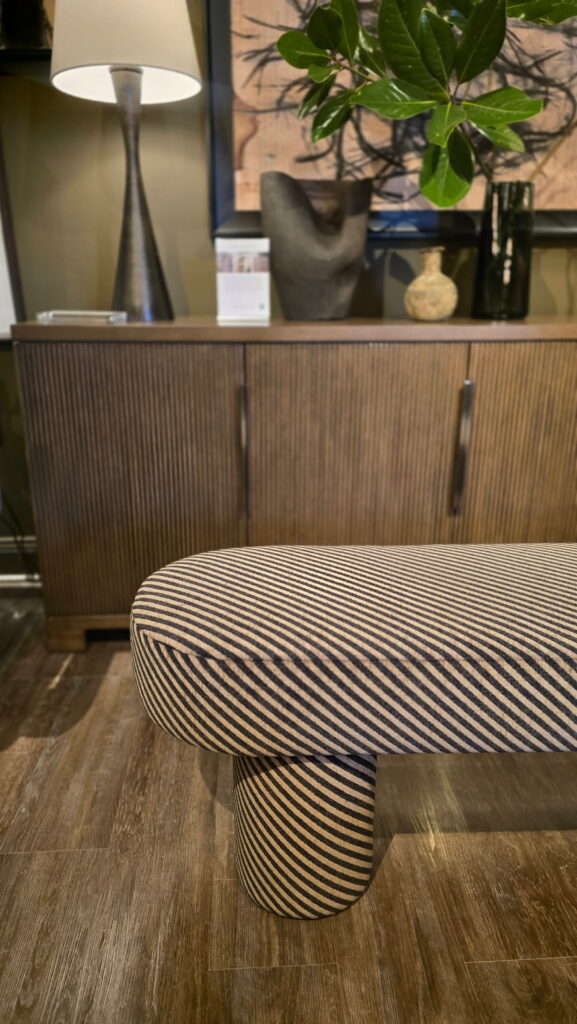
One of the most noticeable shifts at market was furniture upholstered all the way to the floor.
Exposed legs are giving way to continuous upholstery that creates monolithic, sculptural forms. These pieces feel integrated into the space rather than floating within it.
Floor-skimming upholstery simplifies silhouettes and makes furniture feel substantial and tailored. It also aligns with cocooning trends, where interiors feel enveloping, calm, and grounded.
This approach works especially well in sofas, beds, and lounge seating designed to anchor a room.
What This Means for Homes in 2026
Across the board, these trends point to one thing. Homes are becoming more personal, more tactile, and more intentional.
Texture replaces excess pattern. Soft shapes replace rigid geometry. Details replace decoration.
At Dwell Home Furnishings & Interior Design, these trends reinforce what we already value: thoughtful design, quality materials, and pieces that feel good to live with. As 2026 approaches, expect interiors that are warmer, quieter, and more refined, without losing their sense of comfort or individuality.


